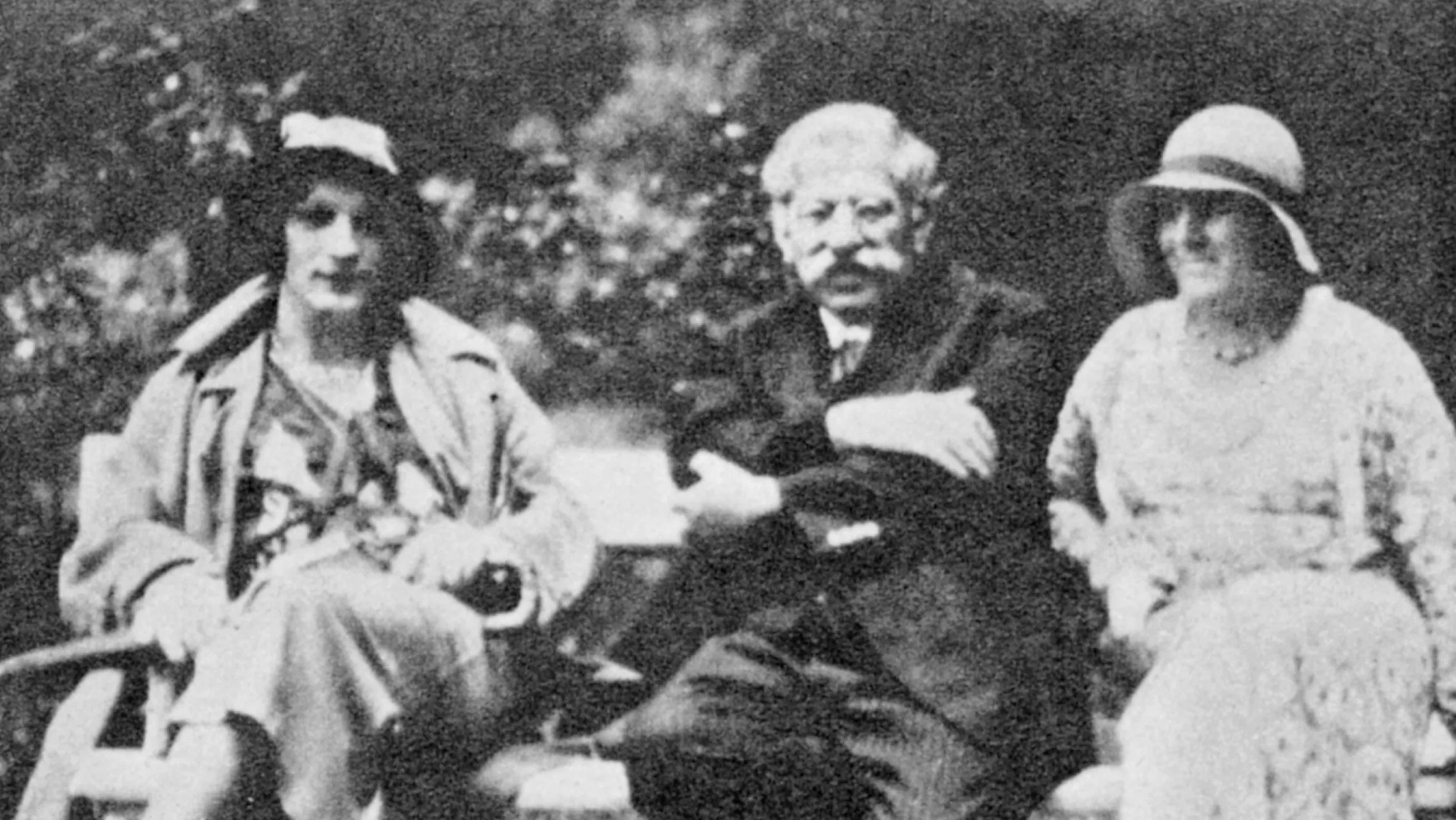
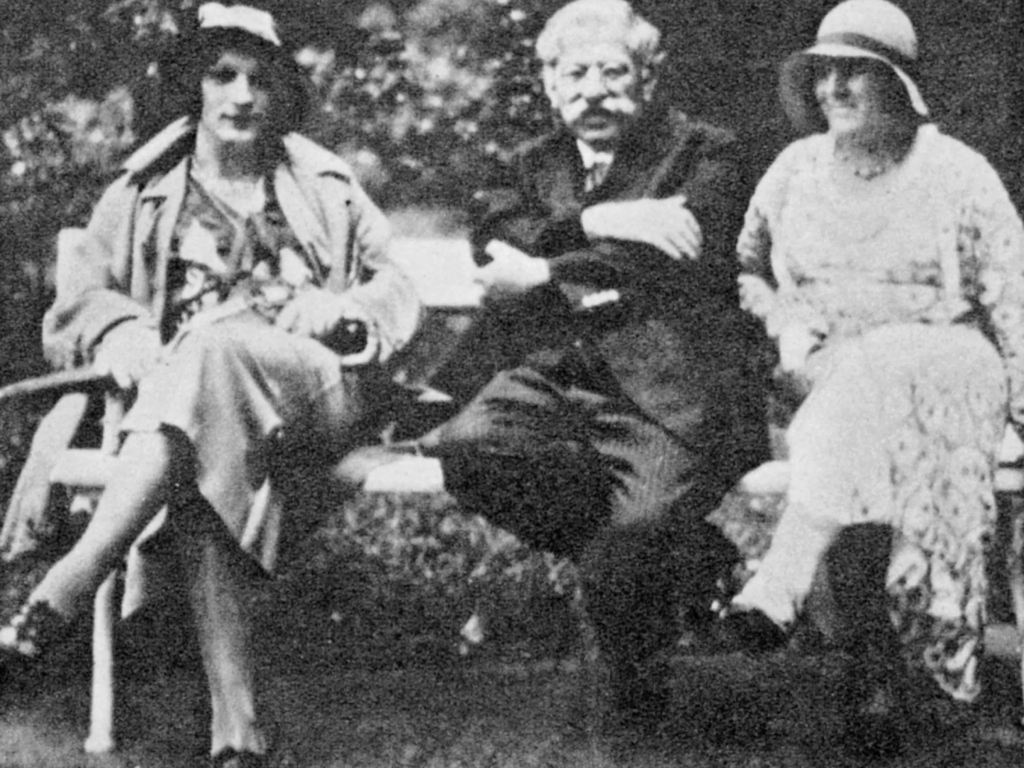
Magnus Hirschfeld with two of his transgendered patients, outside the Institute for Sexual Science.
Magnus Hirschfeld with two of his transgendered patients, outside the Institute for Sexual Science.
In Nazi Germany, transgender people were prosecuted, barred from public life, forcibly detransitioned, and imprisoned and killed in concentration camps. Laws such as Paragraph 183 were implemented during the German Empire (1871–1928) and Weimar Germany (1918–1933) to prosecute transgender individuals. Through Magnus Hirschfeld's advocacy, Germany allowed transgender individuals to obtain transvestite passes in 1908, protecting them from legal repercussions for their public transgender status. As described by historian Katie Sutton in her article, "Trans Rights and Cultures in the Weimar Republic," without these passes, and occasionally even with them, gender diverse individuals could be persecuted under Germany's “gross mischief” or “public nuisance” laws.
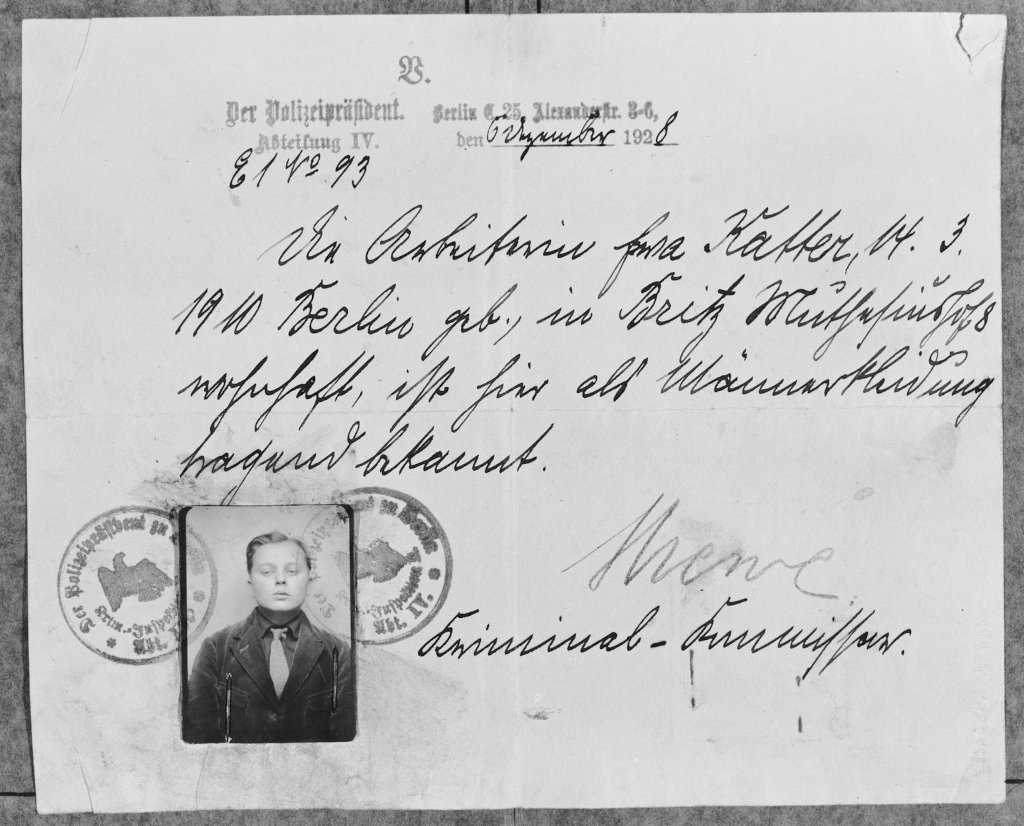
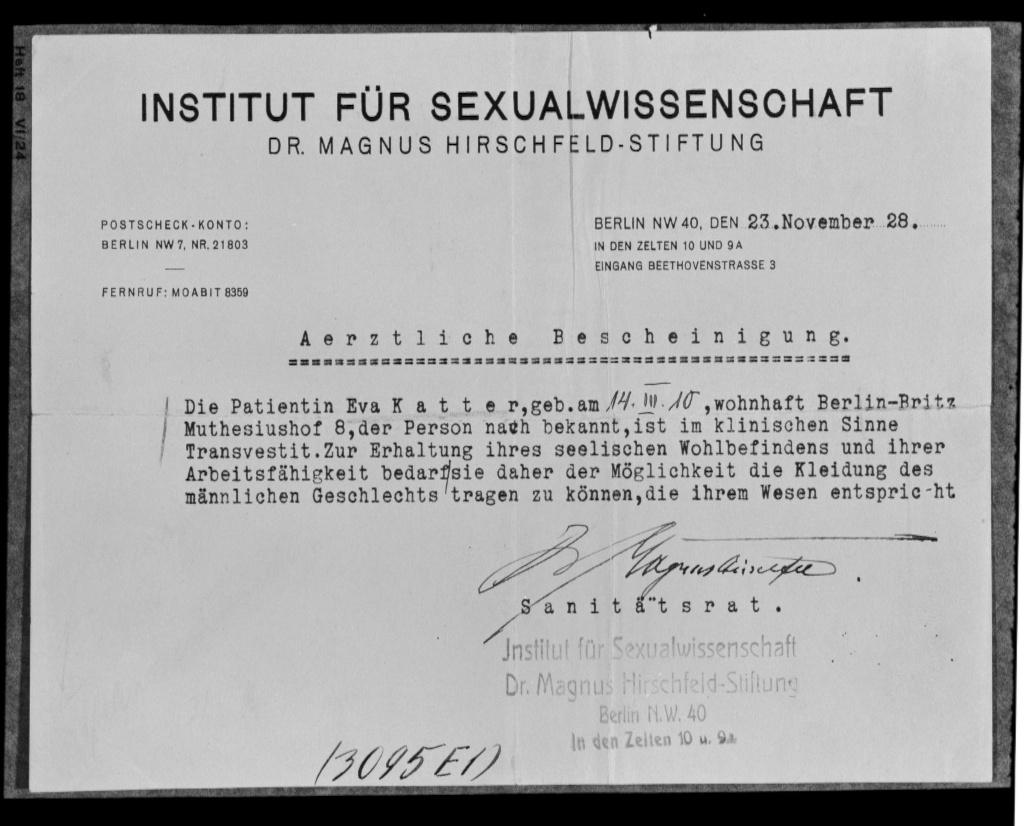
From the conclusion of World War I until 1933, transgender individuals were granted unprecedented freedoms and rights. Transgender medicine made huge steps forward with the help of the Institute for Sexual Science, and transgender culture grew in Berlin. In addition to more widespread cultural acceptance, Berlin also became a hotbed for research into transgender medicine. Some of the first academic studies of transgender medicine were done at the Institute for Sexual Science in Berlin. They are also known for providing some of the first gender-affirming care, such as hormone replacement therapy.
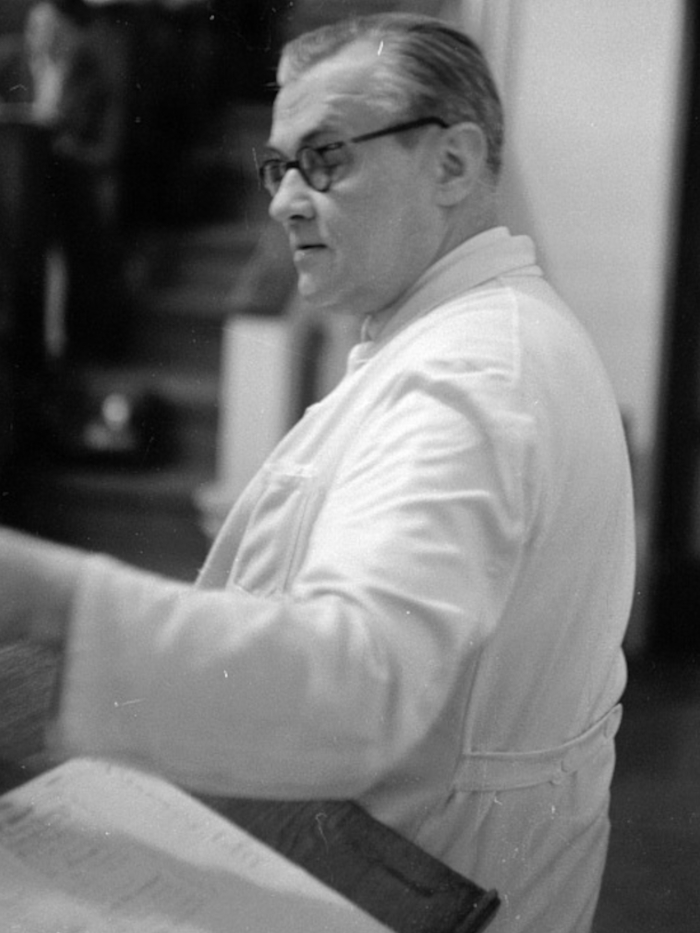
Erwin Gohrbandt, Ludwig Levy-Lenz, and other surgeons affiliated with the Institute conducted gender-affirming surgery, including the initial stages of facial feminization surgery and sex reassignment surgery on trans women, as well as facial masculinisation surgery, chest masculinisation surgery, and hysterectomy and oophorectomy on trans men. Dora Richter, the first transgender woman known to have received sex reassignment surgery, received it through the Institute, as did Lili Elbe, Toni Ebel, Gerd Katter and many other notable transgender people of this period. Levy-Lenz is quoted as saying of his time at the Institute, "Never have I operated upon more grateful patients.".
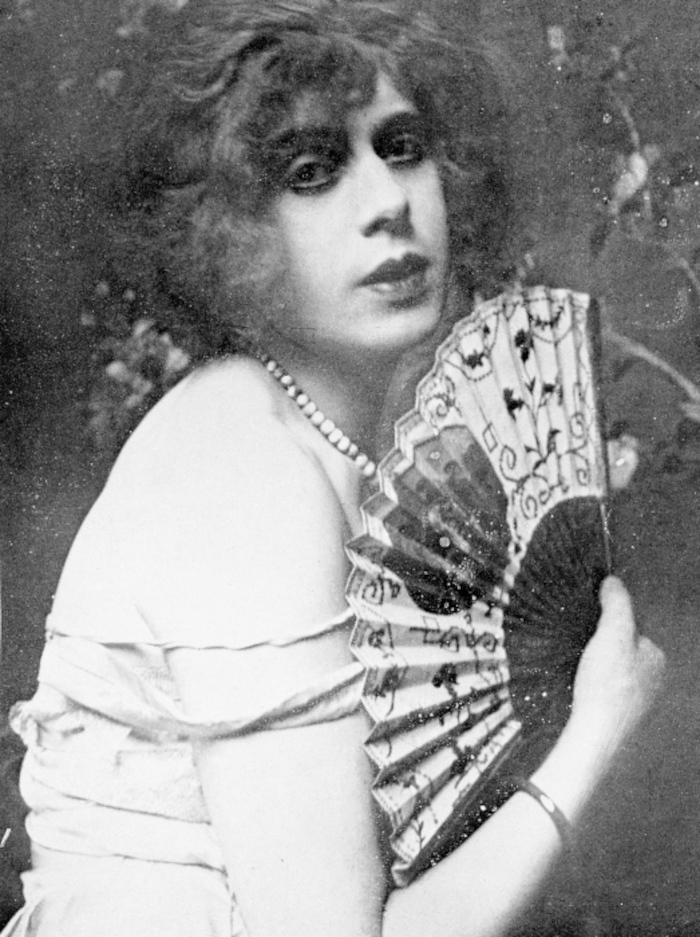
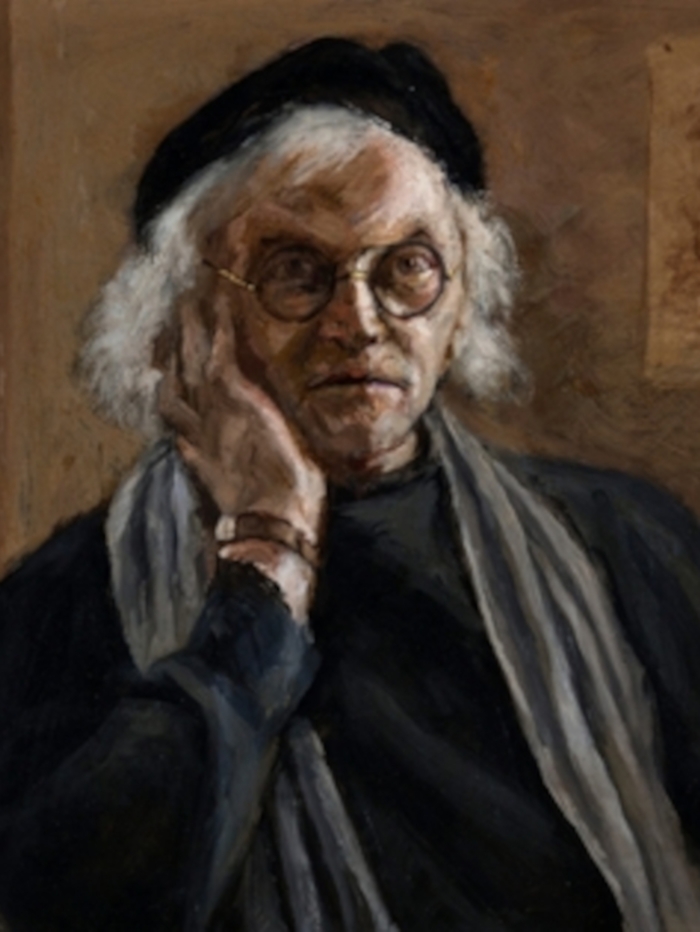
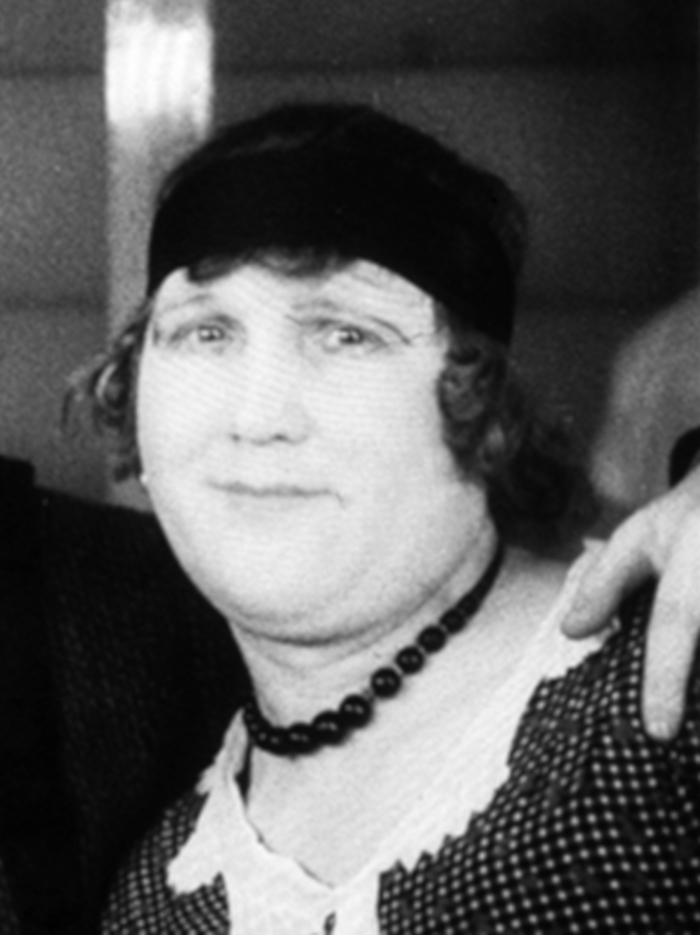
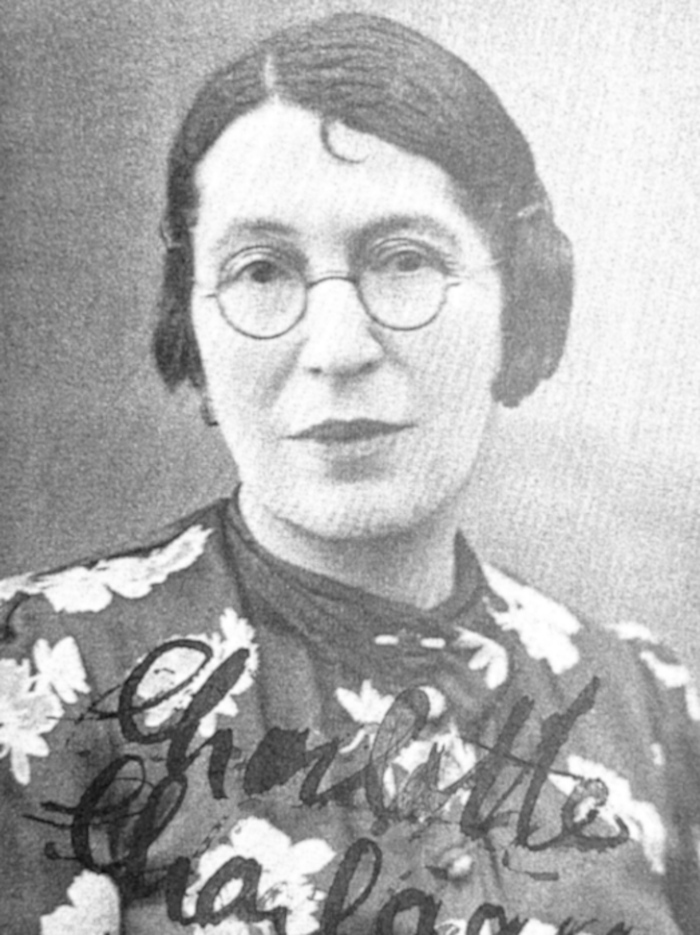
Transgender groups, gathering spots, and organisations, including the first homosexual movement, the Eldorado nightclubs, and the Institute for Sexual Science, were disbanded, frequently by force, after the Prussian coup d'état in 1932 and the Nazi takeover of power in 1933. The Eldorado, along with other venues, is central to the history of LGBTQ+ and transgender life in interwar Germany, acting as a crucial, albeit temporary, space for identity expression.
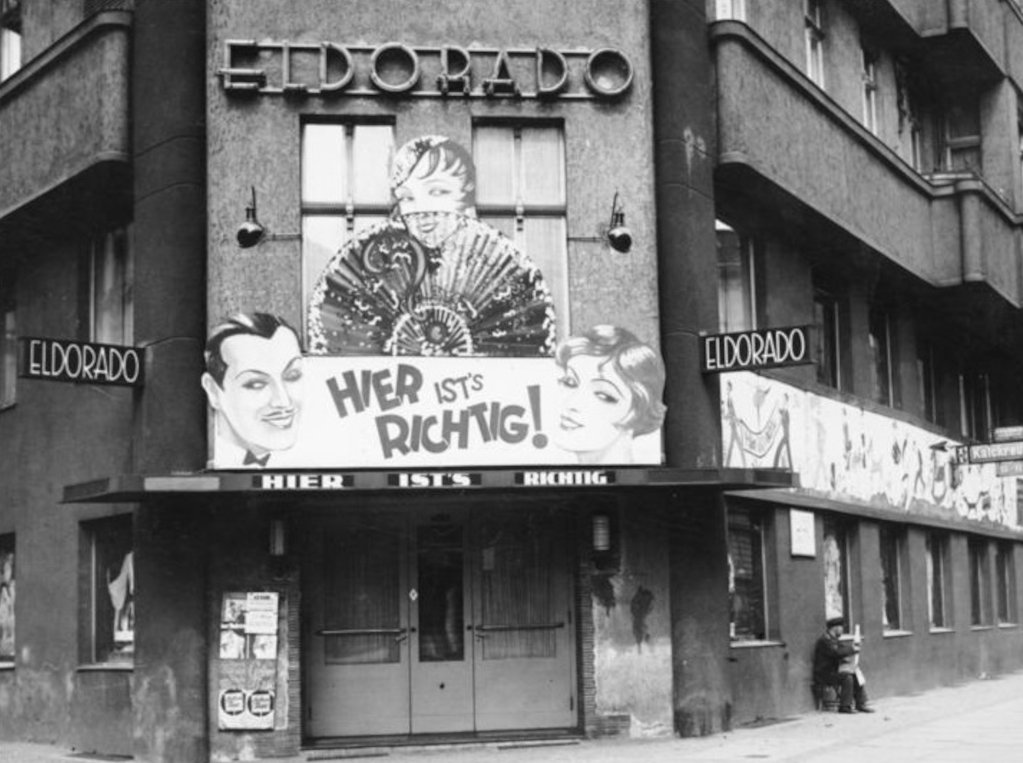
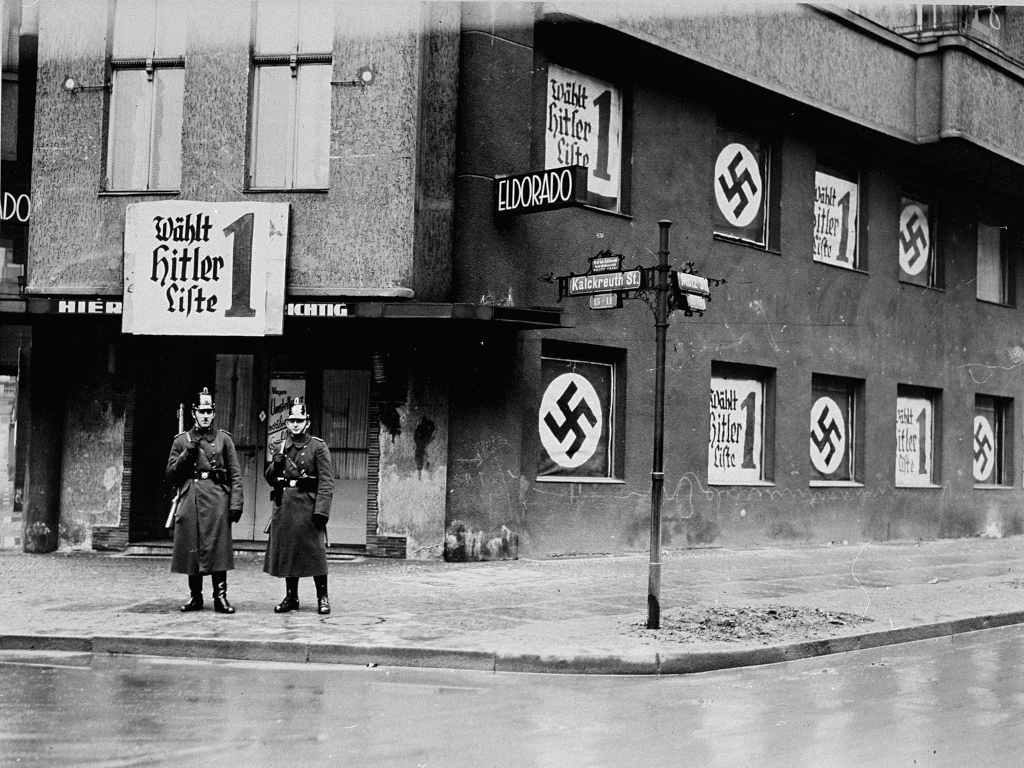
The club's unique system of buying tokens to dance with performers—men dressed as women or vice versa—became its signature feature and directly influenced the fictional Kit Kat Klub in the film Cabaret..
The premises of the Motzstraße club were repurposed as a headquarters for the Sturmabteilung (SA). The clubs' legacy is often referenced as a symbol of the Weimar Republic’s "lost golden age" of queer freedom and the subsequent destruction of these communities by the Nazis. The Museum of Jewish Heritage asserts that the German government "brutally targeted the trans community, deporting many trans people to concentration camps and wiping out vibrant community structures.".
The transvestite passes of trans men and trans women were either revoked or disregarded as a result of the renewed enforcement of Paragraphs 175 and 183. Books and texts relating to transgender experiences or medicine were destroyed as "un-German". Transgender individuals were killed and imprisoned in concentration camps.
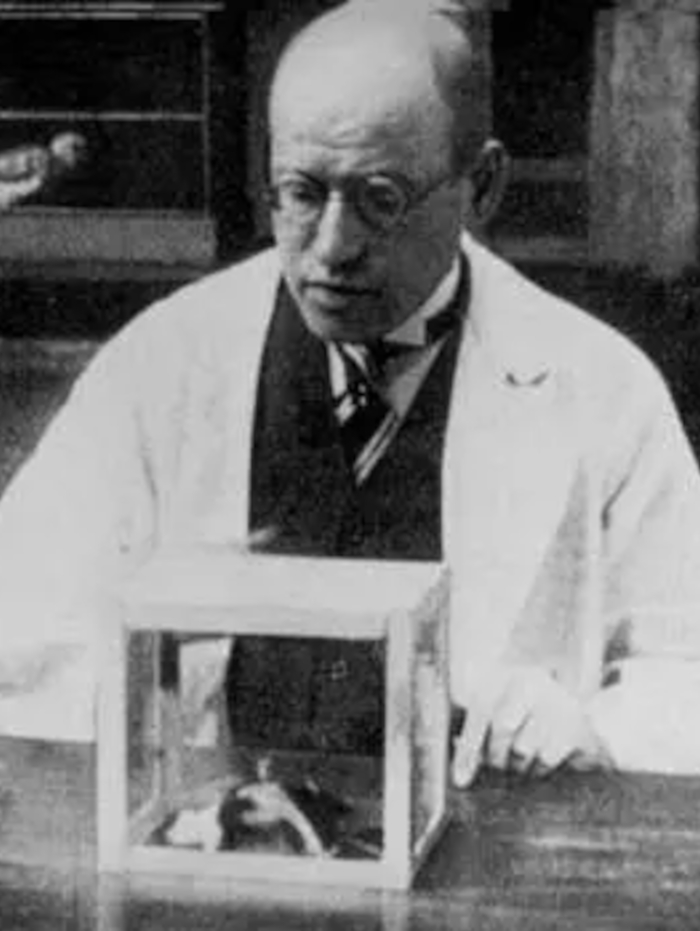
In 1933, the Nazi government revoked Hirschfeld's German citizenship, which he had maintained as a physician, sexologist, and LGBTQ advocate. Hirschfeld received his education in medicine, philology, and philosophy. He was an outspoken advocate for sexual minorities and was the founder of the Scientific-Humanitarian Committee and the World League for Sexual Reform. He based his practice in Berlin-Charlottenburg in the 1920s.
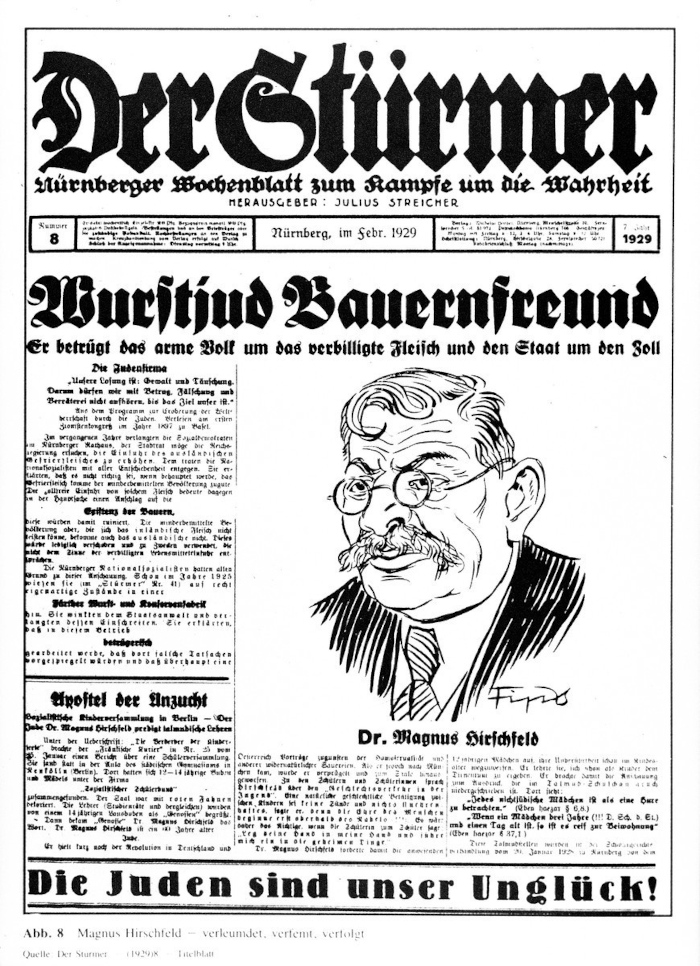
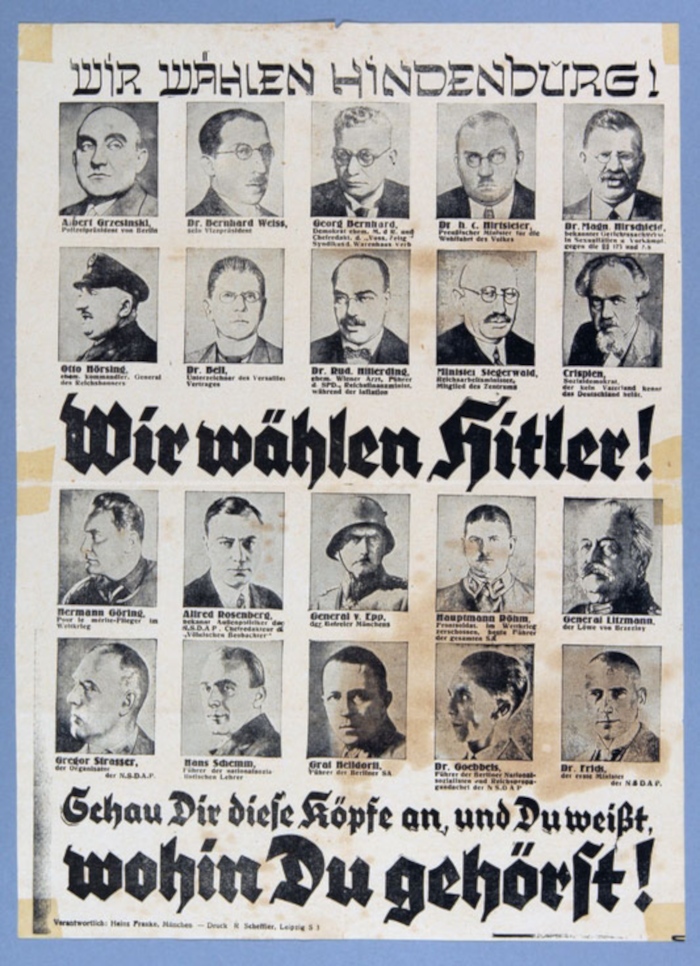
In February 1929, the Nazi newspaper "Der Stuermer" depicted a caricature of Magnus Hirschfeld. The Nazi Party attacked Dr. Hirschfeld for his ideas about sex, sexuality, and gender, as well as his Jewish ancestry.
His committee did "the first advocacy for gay and transgender rights.". Hirschfeld is thought to be one of the most important sexologists of the 20th century. Due to his Jewish and homosexuality, he was initially targeted by fascists and subsequently by the Nazis. He was assaulted by völkisch activists in 1920, and in 1933, Nazis looted and burned his Institut für Sexualwissenschaft.
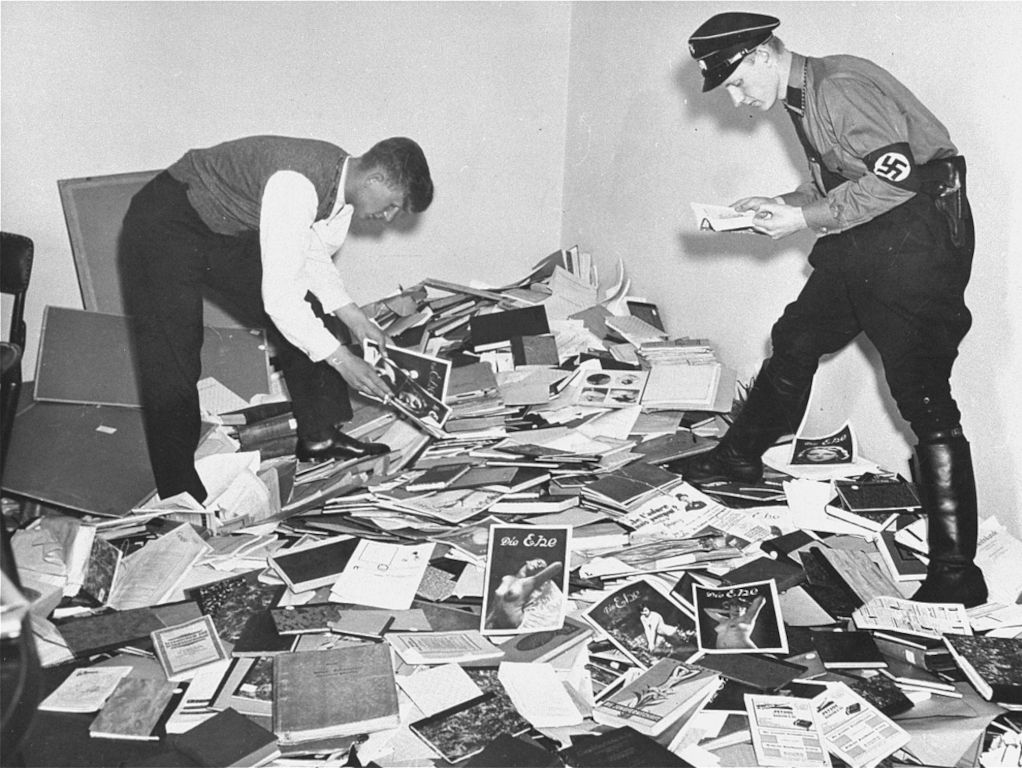
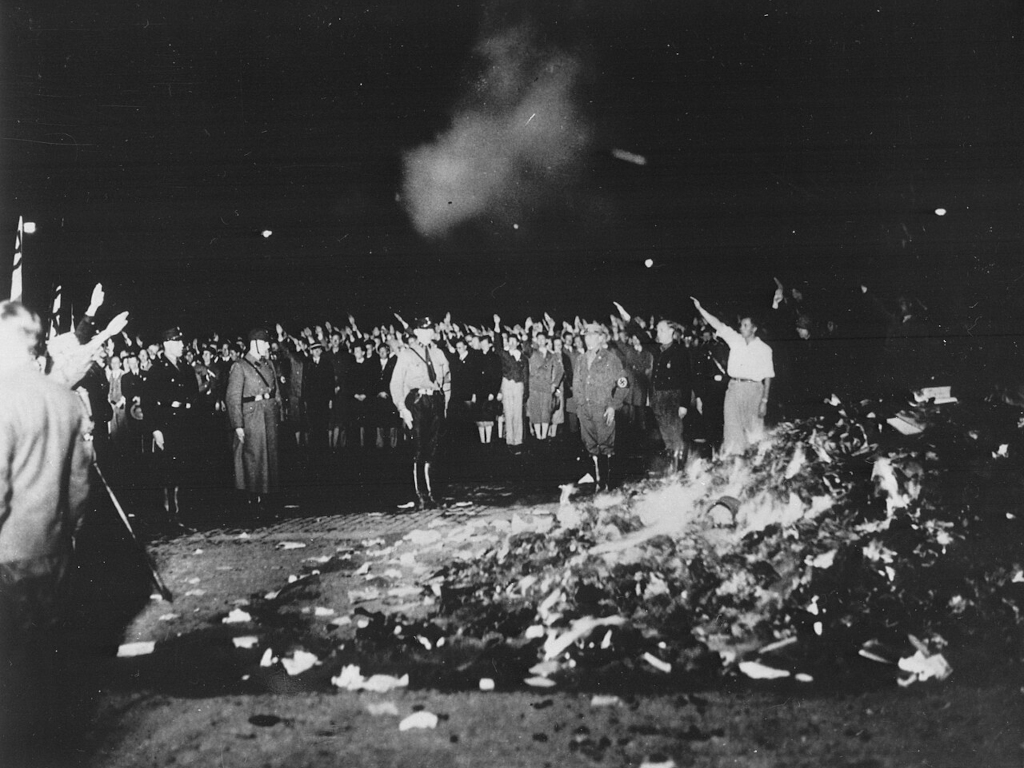
As many as 25,000 of the Institute's books, many of which contained unique insights into transgender history and medicine. A bust of Hirschfeld was paraded on a stick before being thrown onto the pyre, a spectacle documented in Nazi newsreels.
The term "transsexual" was first used by Magnus Hirschfeld in his 1923 essay "Die Intersexuelle Konstitution." This laid out the clinical category that Hirschfeld's colleague Harry Benjamin would later create in the US. It wasn't until Benjamin's work, about thirty years after Hirschfeld first used the term, that it became more common. In 1910, Hirschfeld also came up with the word "transvestite." He also used the terms "extreme transvestites" and "total transvestites" to talk about transsexuals.
In his research for the Institute, Hirschfeld referred to transgender people as "total transvestites" or "extreme transvestites" as early as the 1920s, notably differentiating them from crossdressers, as well as stating his belief that there naturally existed people who had "characteristics that did not fit into heterosexual or binary categories".
The homosexual movement and Institute for Sexual Science were frequent targets of conservatives such as the Nazi Party and both Catholic and Protestant churches, which accused the movements of "degeneracy", going against family values and promoting "un-German" ideas. Hirschfeld himself was targeted both politically and in the press. After being physically attacked and beaten in Munich in 1921, a nationalist newspaper article celebrated, threatening that "the next time his skull might be crushed".
Li Shiu Tong was a Hong Kong medical student and sexologist. Some consider him an early LGBTQ activist. He was a companion of the German sexologist Magnus Hirschfeld. Li met Hirschfeld in Shanghai at a public lecture for Chinese feminists at China United Apartments in 1931. Li and Hirschfeld spent many years in European exile, with Li acting as Hirschfeld's student, nurse and secretary. In 1932 Li submitted a paper with both his and Hirschfeld's names on it to the Congress of the World League for Sexual Reform in Brno in Czechoslovakia. This paper was one of the first to cover intersex people extensively as well as the idea that homosexuality was not a disease, but rather a natural human variation influenced by disposition and environment.
In May 1933, after the Nazi looting and destruction of Hirschfeld's institute in Berlin, Li helped Hirschfeld to escape from Switzerland to France. From 1933 to 1935, Hirschfeld lived, mostly together with Li, in Paris and Nice. Li Shiu Tong broke from common beliefs with his claims that "A homosexual is not born but made" and asserted that homosexuality is nature's defence against overpopulation. He believed that there were a lot of transgender people, who he claimed were:
"the most interesting mankind. A complex sexual mankind. Dr. [Hirschfeld] was the best authority on this subject. In fact he discovered it. The behavior of transvertit helped to explain some of that of the homosexual, bisexual, and even heterosexual."