
TERF beliefs belong to a previous era of feminism that hasn't kept up with modern understandings of gender identity.
TERF beliefs belong to a previous era of feminism that hasn't kept up with modern understandings of gender identity.
It is common practice to analyse the role of rhetoric in historical regimes and contemporary social movements. The "Gender Critical" (TERF) movement is comparable to the mechanics of fear employed by early 20th-century authoritarian regimes. Here is how those rhetorical strategies correlate:
Hitler’s rhetoric relied heavily on identifying a specific group as an existential threat to the "purity" or "safety" of the nation. TERF movement uses similar "othering" by framing trans women as a threat to "protected" female spaces. By defining a group as an inherent danger, it becomes easier to justify their exclusion from society.
In a historical context, authoritarian movements often use the concept of social hygiene—the idea that the "virtuous" part of society must be physically and socially separated from the "contaminant" to remain safe. Gender-critical rhetoric often focuses on the "sanctity" of women’s bathrooms, changing rooms, and domestic violence shelters. While the stated goal is safety, this creates a moral panic: a heightened sense of fear that is disproportionate to the actual statistical risk, used to galvanise political support and pass restrictive laws.
The "Big Lie" (die ganze große Lu¨ge) is a propaganda technique where a claim is so colossal that no one would believe that someone "could have the impudence to distort the truth so infamously.". TERFs gaslight the public by framing trans people—a vulnerable minority—as a powerful, predatory force "invading" private spaces.
Authoritarian rhetoric often bypasses complex academic or ethical debates by appealing to "common sense" and "natural law.". The "Gender Critical" movement leans heavily on what they call "biological reality." By framing their views as simple, undeniable "facts of nature," they make any opposing view (like the social construction of gender) seem like a "delusion" or "anti-science.".
Fallacy of Composition is a logical error that occurs when someone assumes that what is true for a part must also be true for the whole.
No hate. No Fobeeyah. No gaslight-panic (at least not as long as girls are being analy-raped in their school toilets and little girls abducted off the street, that is) Just a world of, frankly, disgust, and No, thank you..
LGBTQwerty
This error occurs when you apply a general group characteristic to every individual member of that group.
When a "moral panic" is generated, it usually relies on the Fallacy of Composition. A single negative incident or a fringe individual is held up as the "representative" of an entire demographic. By convincing the public that the part equals the whole, it becomes much easier to justify excluding the entire group from society.
From the most recent data from the Office for National Statistics (ONS) and police reports for the year ending March 2025, the data confirms that for the most serious violent crimes against women, the majority are committed in a domestic setting by men.
Between 2022 and 2024, 69.6% of female homicide victims were killed in a domestic setting (by a partner, ex-partner, or family member). For women aged 20 to 44, over half (50.7% to 52.5%) of all violence recorded by the police is domestic abuse-related. For female victims of rape since age 16, 54.7% were assaulted by a partner or ex-partner. When including other family members or acquaintances, the "known person" category accounts for nearly the entire total. Statistics prove the real danger to women is not from "strangers" in public bathrooms or changing rooms (where trans-inclusive policies apply), but from known men in private, domestic homes.
Public debate often centers on the "danger" of trans women in bathrooms or changing rooms. However, over 70% of violence against women occurs in the home, committed by men the victims already know. If the goal were truly to reduce violence against women, political energy would be focused on domestic abuse services, judicial reform, and housing. Instead, significant legislative energy is spent on "bathroom bills," which targets a group (trans women) that has no statistical track record of being the primary perpetrators of such violence.
Researchers from the Williams Institute and other academic bodies have consistently found no evidence that trans-inclusive policies lead to an increase in crimes or safety violations. The type of "stranger violence" often feared in public bathrooms did not show a statistically significant increase in areas with nondiscrimination laws compared to those without them. Most domestic abuse organisations in the UK and Canada already operate with trans-inclusive policies. A study from Newcastle University found that staff and cisgender service users in these shelters generally reported positive experiences with trans inclusion. Service providers consistently identify cisgender male perpetrators (partners or ex-partners trying to track down survivors) as the primary security threat, rather than trans women seeking support.
Data suggests that trans people are frequently used as a rhetorical shield. By focusing public anxiety on a tiny, marginalised group, the much larger, more statistically urgent issue of cisgender male domestic violence often escapes the same level of legislative scrutiny and moral panic. In political psychology, scapegoating a small minority (like the trans community, which is roughly 0.5%–1% of the population) serves a specific function: addressing "male violence" requires changing deep-seated cultural norms, improving police training, and funding massive social programs. Banning a small group from a bathroom or a sports team creates the illusion of taking action on women’s safety without actually challenging the systemic sources of that violence (i.e., the domestic setting).
The "bathroom panic" is a recurring historical tactic. Whenever a marginalised group gains a bit of social traction, the conversation often shifts to the perceived "sanctity" and "safety" of public toilets.
When gay and lesbian people began fighting for employment protections and visibility, the "predator" narrative shifted toward them. Opponents of gay rights (most famously Anita Bryant’s "Save Our Children" campaign) argued that allowing gay men into public restrooms or teaching positions would lead to the "recruitment" or molestation of children. This was a classic Fallacy of Composition, taking the actions of a few or entirely fabricated stories and applying them to an entire demographic. In the 1970s, Phyllis Schlafly (a key figure in conservative women's movements) successfully campaigned against the Equal Rights Amendment by focusing almost entirely on bathrooms. She argued that if women were legally equal to men, "unisex bathrooms" would become mandatory, leading to the erasure of privacy and the endangerment of women. In this case, the "threat" wasn't a specific group of people, but the legal concept of equality itself, which was framed as a physical threat to women's safety.
Psychologically, the bathroom is a "Liminal Space"—a place where social hierarchies are temporarily suspended, and we are at our most private and vulnerable. By claiming this space is "under attack," political movements can:
The current "Gender Critical" focus on bathrooms follows this historical blueprint almost exactly. By framing the debate around public toilets (where the statistical risk of violence is extremely low), the movement successfully draws attention away from the domestic home (where the risk of male violence is extremely high).
Many individuals labeled as TERFs prefer the term "gender-critical".
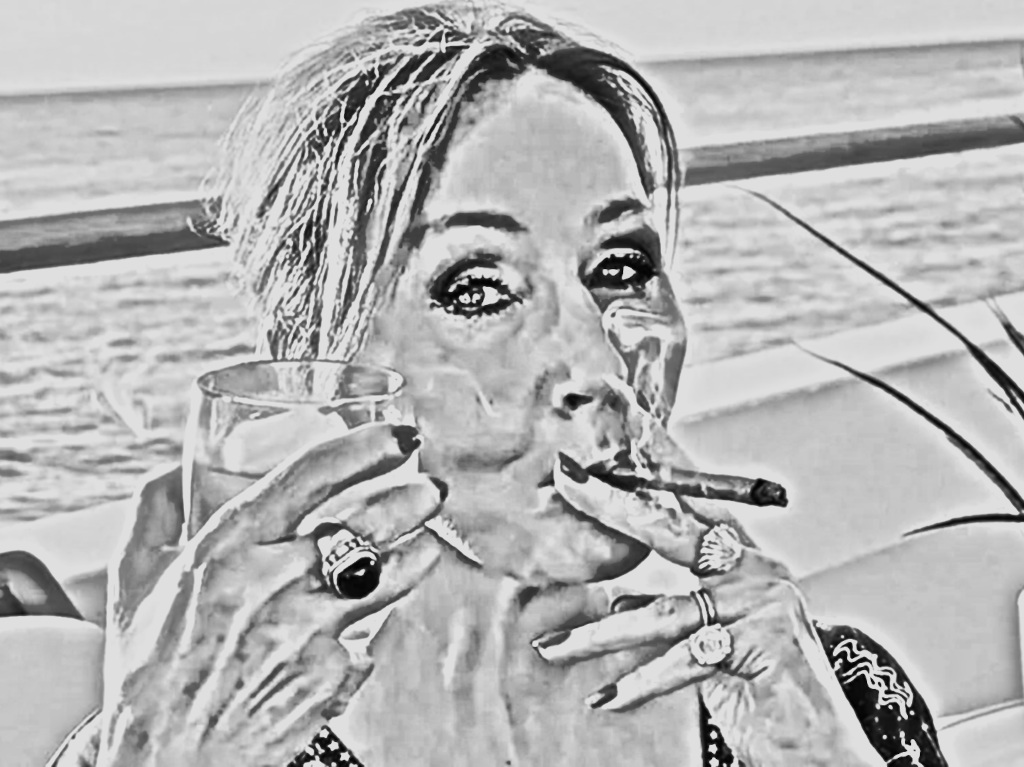
Rowling advocates for the exclusion of trans women from "single-sex spaces" (such as domestic violence shelters, bathrooms, and hospital wards) and from legal categories reserved for "biological women.". She argues that "womanhood" should be defined by biological sex rather than gender identity. She has used her massive platform to oppose laws (like the Gender Recognition Reform bill in Scotland) that would make it easier for trans people to change their legal gender. Rowling herself generally rejects being called a TERF, often describing it as a slur, prefering the term "gender critical.".
25/2/26
"The UK, once ranked 1st in Europe for LGBT+ rights in 2015, fell to 22nd place in the 2025"
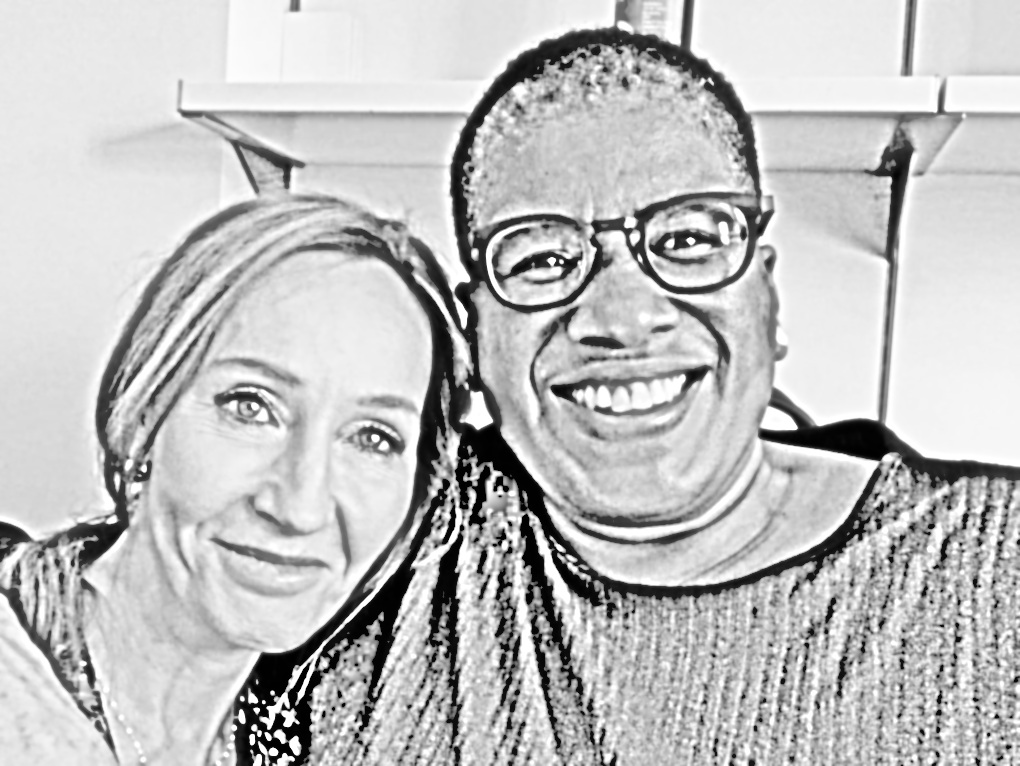
Alison Bailey is a prominent British barrister and a co-founder of the LGB Alliance. She is a central figure in the "gender critical" movement and is known for a high-profile legal battle regarding her right to express gender-critical views in the workplace. She often works alongside other figures like J.K. Rowling and Maya Forstater.
9/2/26

Blanchard, an American-Canadian sexologist, studies gender identity, sexual orientation, and pedophilia. Blanchard has also published research studies on phallometry and several paraphilias, such as autoerotic asphyxia. Additionally, Blanchard put forth a typology of transsexualism; a controversial "theory" frequently cited, but in part [autogynephilia] by TERFS.
11/2/26
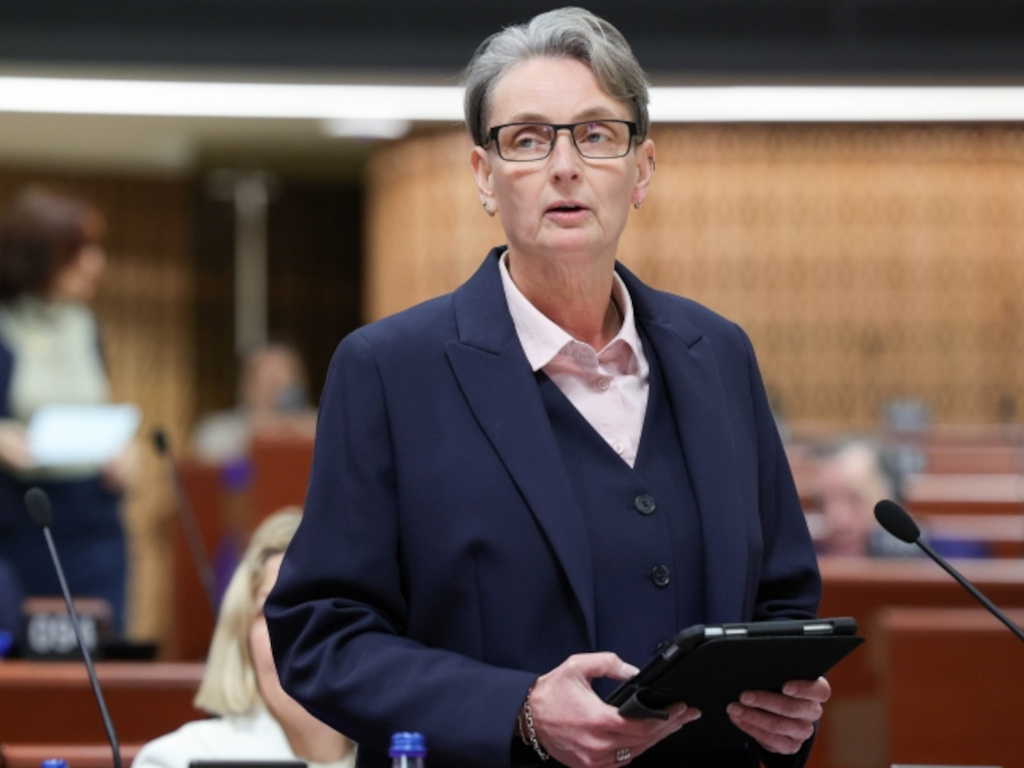
The Parliamentary Assembly of the Council of Europe has voted by 71 votes to 26 (with 2 abstentions) to call on European countries to adopt legislation to prohibit conversion practices. It has stated that states should “provide criminal sanctions … based on a clear and comprehensive definition of the proscribed practices”. It has also highlighted that monitoring and reporting mechanisms should be established.
25/2/26
"The College opposes the use of “conversion,” “reorientation,” or “reparative” therapy for the treatment of LGBTQ persons."